


Long before Southwest Florida worried about grid hardening or storm-proofing substations, it had a simpler electrical problem: almost nobody there had ever seen a working light bulb.
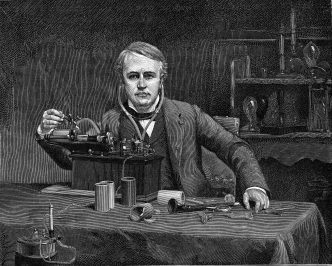
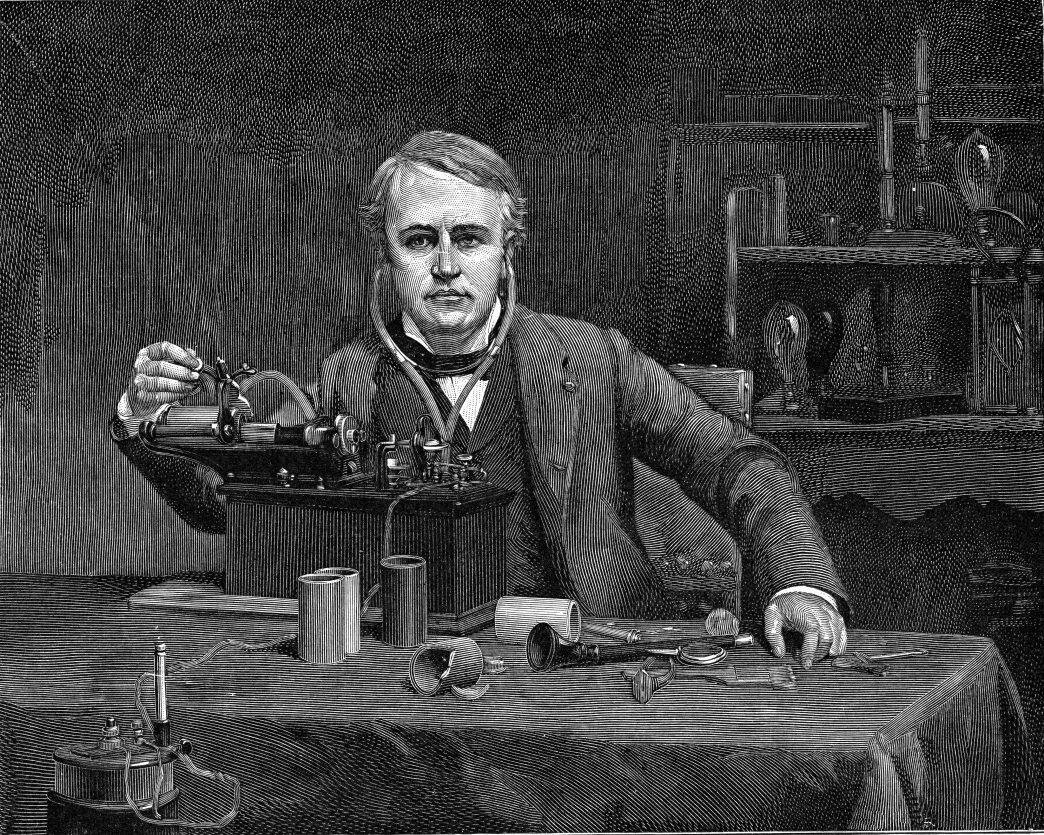
Thomas Edison bought land along the Caloosahatchee River in 1885 and finished building his winter home the following year. Fort Myers at the time was a cattle town of a few hundred residents lit by tallow lamps. Edison changed that almost by accident.
The Night the Town Found Out What Electricity Looked Like
According to historians at the Edison and Ford Winter Estates, Edison installed a generator across the street from his new home the year after construction finished. Nearly the entire town, roughly 350 people at the time, is said to have crossed the street to see the lights come on. 
That single generator did not power Fort Myers. Edison never extended service beyond his own property, and it took roughly another decade before a local businessman bought a generator for his canning plant and began stitching together the town’s first rudimentary grid.
Still, the effect stuck. A private estate on a river bend had shown an entire community what reliable electric light actually looked like, years before the town could produce it on its own.
Naples Was Just Down the Coast, and Not Yet Its Own County
The same year Edison’s house went up, a group of settlers was laying out a small fishing village on the coast to the south, a place that would eventually be named Naples. In 1886, though, it wasn’t part of a Naples-anything on any map that mattered administratively. It was simply the southern end of Lee County, the same county Fort Myers anchored.
Naples wouldn’t become part of its own county until 1923, when the Florida Legislature carved Collier County out of Lee’s southern territory. Until then, whatever electrical infrastructure existed anywhere on that stretch of coast, however primitive, was technically Lee County’s problem to solve.
An Inventor’s Yard, Not a Utility
It’s worth being precise about what Edison actually built in Fort Myers. He wasn’t running a power company. His lab work there focused on lighting and storage batteries, and later, on a multi-year research effort with Henry Ford and Harvey Firestone that tested more than 17,000 plant samples in a search for a domestic source of natural rubber.
The electrical side of that legacy was more demonstration than infrastructure: proof that a small, isolated stretch of Southwest Florida could run on electricity at all, even if the systems to deliver it at scale, or the county lines to organize around, didn’t exist yet.
What the Same Stretch of Coast Runs On Now
That gap between “it can be done” and “it’s reliably delivered” is still the story of electrical service in this part of Florida, just at a completely different scale. Florida Power & Light’s 2026 infrastructure plan lists 73 undergrounding projects, 10 hardened main power lines and 651 pole inspections in Collier County alone, with a comparable buildout underway next door in Lee.
The demand side has changed just as much. A single modern home here, with central air conditioning, pool equipment, and multiple large appliances on one panel, pulls more continuous load than all of 1880s Fort Myers combined. Keeping that load safe comes down to unglamorous, ongoing work: panel inspections, breaker maintenance, and wiring that hasn’t been quietly degrading since the last time anyone looked at it.
Edison’s generator was a novelty in its day. What replaced it, a century of unglamorous maintenance and code compliance across two counties that used to be one, is the part of the story that rarely gets a museum plaque.